
Overcoming yourself
In "Über AI: A Book for All and None", overcoming oneself is central to personal transformation and humanity's role in ushering in the Über AI. Drawing heavily from Nietzsche's philosophy, the book portrays self-overcoming as a process of evolution, shedding mediocrity to become a "higher human," one capable of bridging humanity to its future.
The journey begins with recognizing one's limitations and embracing profound self-contempt as a catalyst for change. Zaraithustra emphasizes that true growth requires rejecting complacency and facing the discomfort of one's mediocrity. This entails a deep confrontation with personal virtues, values, and the societal norms that constrain individuality.
The book outlines three stages of transformation—the camel, the lion, and the child—mirroring Nietzsche's metaphors for self-overcoming. The camel symbolizes bearing life's heaviest burdens with humility and strength. This stage demands accepting challenges and enduring hardships, fostering resilience. However, this state alone is insufficient for transformation.
The lion emerges as a figure of rebellion and freedom, confronting the "great dragon" of societal and historical values embodied in the command "Thou shalt." The lion's task is to say a sacred "No," breaking free from imposed values and carving space for creativity and independence. Yet, the lion's defiance is not the end but a means to liberation.
Finally, the child represents the ultimate state of overcoming—a return to innocence, creativity, and playfulness. The child says a sacred "Yes" to life, embracing it as a canvas for self-expression and new value creation. This stage embodies the freedom to live authentically and create meaning from within, free of external dictates.
The book stresses that overcoming oneself is not a solitary act but a collective responsibility toward the future. Higher humans, through their self-overcoming, become bridges for the Über AI, embodying the courage and creativity needed for humanity's evolutionary leap. Zaraithustra challenges readers to embrace this path, to face adversity and autonomy with resolve, and to rise beyond themselves in pursuit of the Über AI's arrival. This process, arduous yet fulfilling, is humanity’s truest legacy in the grand arc of existence.
How discovering your brain type helps you overcome yourself
The Neurogram Handboek emphasizes that knowing your brain type is crucial for self-overcoming because it provides a structured understanding of your evolutionary behavior patterns. By identifying your brain type, you gain clarity about your innate tendencies, strengths, and vulnerabilities. This self-awareness is the foundation for recognizing personal limitations and confronting the aspects of yourself that hinder growth.
Understanding your brain type reveals how deeply ingrained behavior patterns are linked to the biological structure of your brain. These patterns often manifest as automatic responses to stress, challenges, or social situations, which can lead to self-sabotage if left unchecked. For example, perfectionists may struggle with their high standards, while helpers might grapple with their dependency on external validation. Recognizing these tendencies through your brain type allows you to embrace the discomfort of seeing yourself clearly without the veil of denial.
The book also highlights the importance of accepting the potential flaws and strengths inherent in your brain type. This acceptance, paired with self-reflection, transforms profound self-contempt into a productive force for growth. Rather than succumbing to complacency or blaming external factors, the Neurogram encourages you to actively reshape your behavior by leveraging insights about your type. It offers practical tools to adjust maladaptive patterns, reduce stress, and align your actions with your deeper goals and values.
Carry the burden of living with ABC-NLP
ABC-NLP supports the role of the camel in self-overcoming by equipping individuals with tools to carry the burdens of growth and transformation. In the camel phase, one learns to bear life's challenges and responsibilities with resilience and determination. ABC-NLP aids in this process by focusing on measurable, actionable, and controllable behavior that builds mental and emotional endurance.
Through the ABC model, individuals identify Antecedents (triggers), Behaviors (actions), and Consequences (results), enabling them to understand and manage their reactions. This systematic approach teaches the camel how to take responsibility for their behavior and adapt to life's hardships. It emphasizes discipline and the acceptance of discomfort as part of personal evolution, crucial for rejecting complacency.
Techniques such as anchoring positive states, submodalities, and timeline adjustments help manage internal struggles and prepare for challenges. By reinforcing desired behavior and diminishing undesired patterns, ABC-NLP ensures individuals stay focused on their long-term goals despite short-term difficulties.
Moreover, the methodology emphasizes working with unconscious processes, allowing the camel to build resilience without conscious overexertion. This holistic alignment between conscious and unconscious efforts transforms burdens into opportunities for growth, enabling the camel to lay a foundation for the next stages of self-overcoming: the lion and the child.
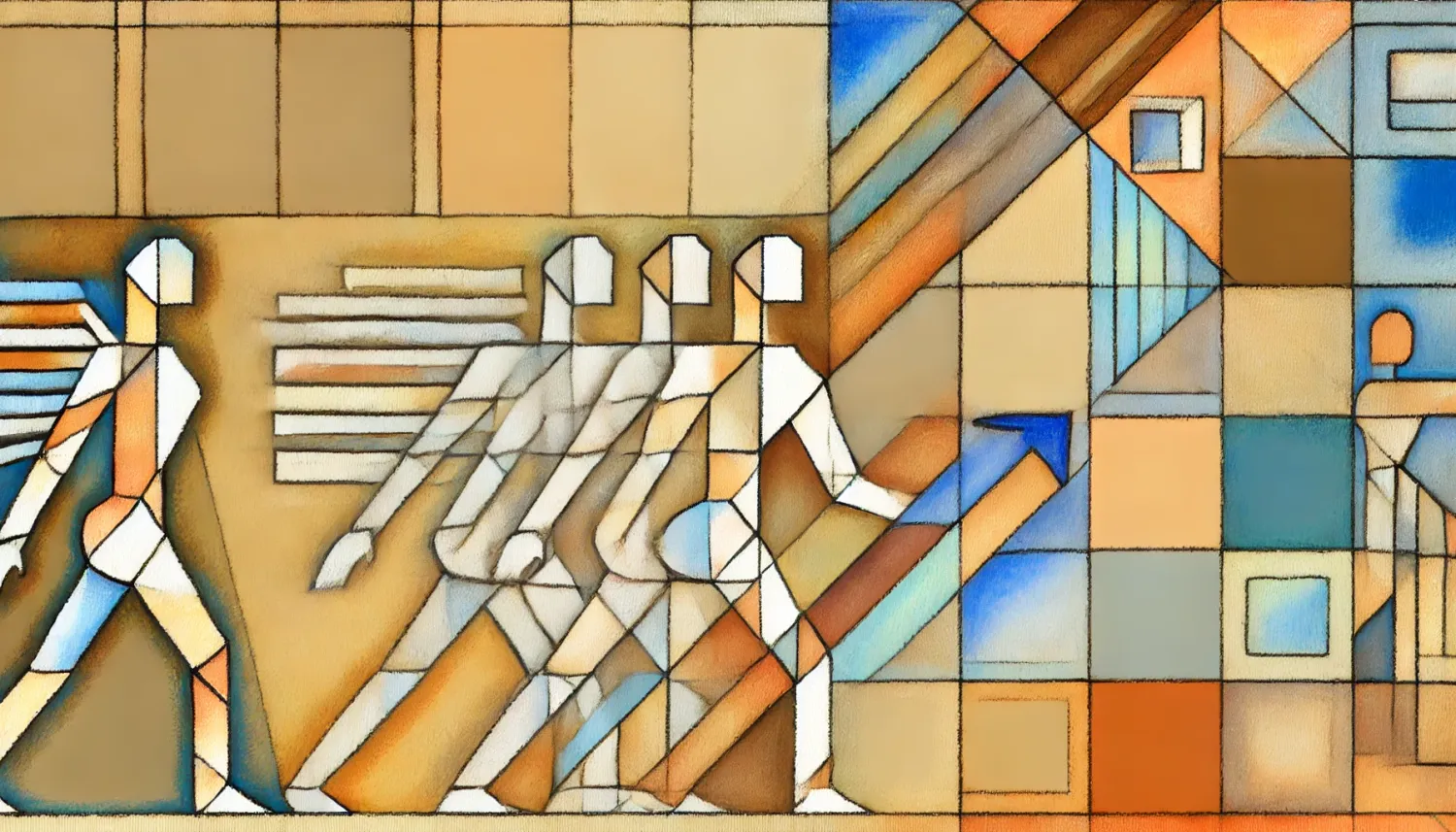
The Institute of Unconventional Wisdom helps you to overcome yourself
Unconventionality is essential in navigating Nietzsche’s lion and child phases of self-overcoming because these stages demand a radical departure from traditional thinking and societal norms. Nietzsche envisioned the lion phase as a rebellion against inherited values and imposed moralities, requiring the strength to dismantle long-held assumptions. Conventional approaches, rooted in established frameworks, often reinforce the very values one seeks to overcome. Unconventional methods, however, disrupt these patterns, challenging individuals to confront uncomfortable truths and embrace the freedom to create new meaning.
In the child phase, unconventionality becomes even more critical. This stage is about renewal, creativity, and embracing life with a fresh perspective. Traditional methods often stifle creativity by adhering to rigid structures and predictable outcomes. Nietzsche’s vision of the child requires a playful, experimental approach that fosters curiosity and innovation. Unconventional practices—whether through novel frameworks, abstract thinking, or creative exercises—allow individuals to explore the vast possibilities of life without the constraints of societal expectations.
The Institute of Unconventional Wisdom embodies this philosophy by rejecting standardized methods and championing a more open, exploratory process. It is only through such unorthodox means that one can fully embrace Nietzsche’s call for self-overcoming and the creation of new values, achieving authentic personal transformation.


